
Insights
The Capacity Ceiling
Most leadership development programmes are built on an additive model: add skills, add competencies, add frameworks. The assumption is that leaders lack something, and that what they lack can be acquired by learning more. This paper argues that the real constraint is different.
It is not what leaders know. It is the size of their inner container — their capacity to access what they know when pressure is real, complexity is high, and the demands of the role exceed what they have been developed to handle.
Explore the Capacity Ceiling framework with our introductory report. Download now to discover the core concepts and foundational ideas.
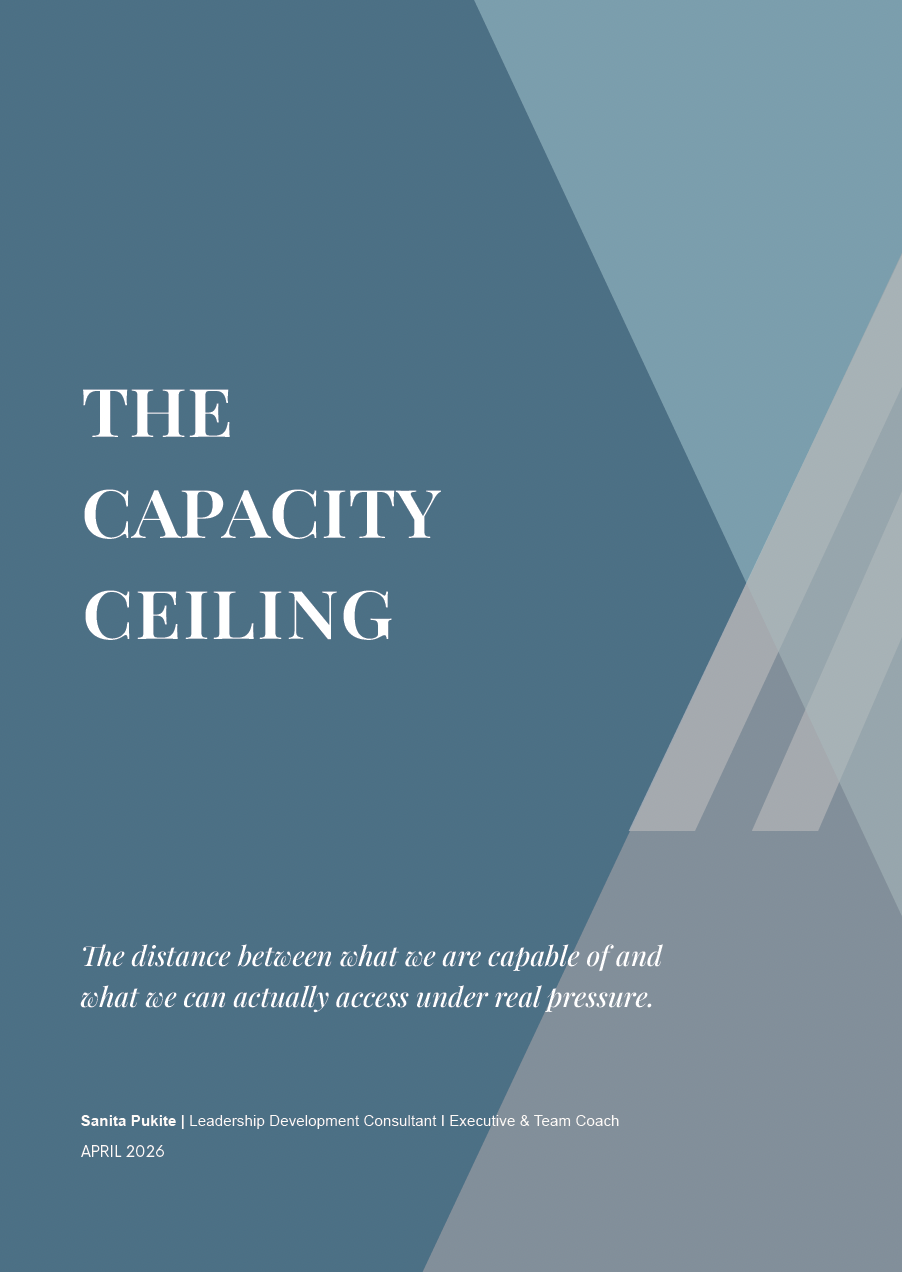
The Capacity Ceiling:
Full Report
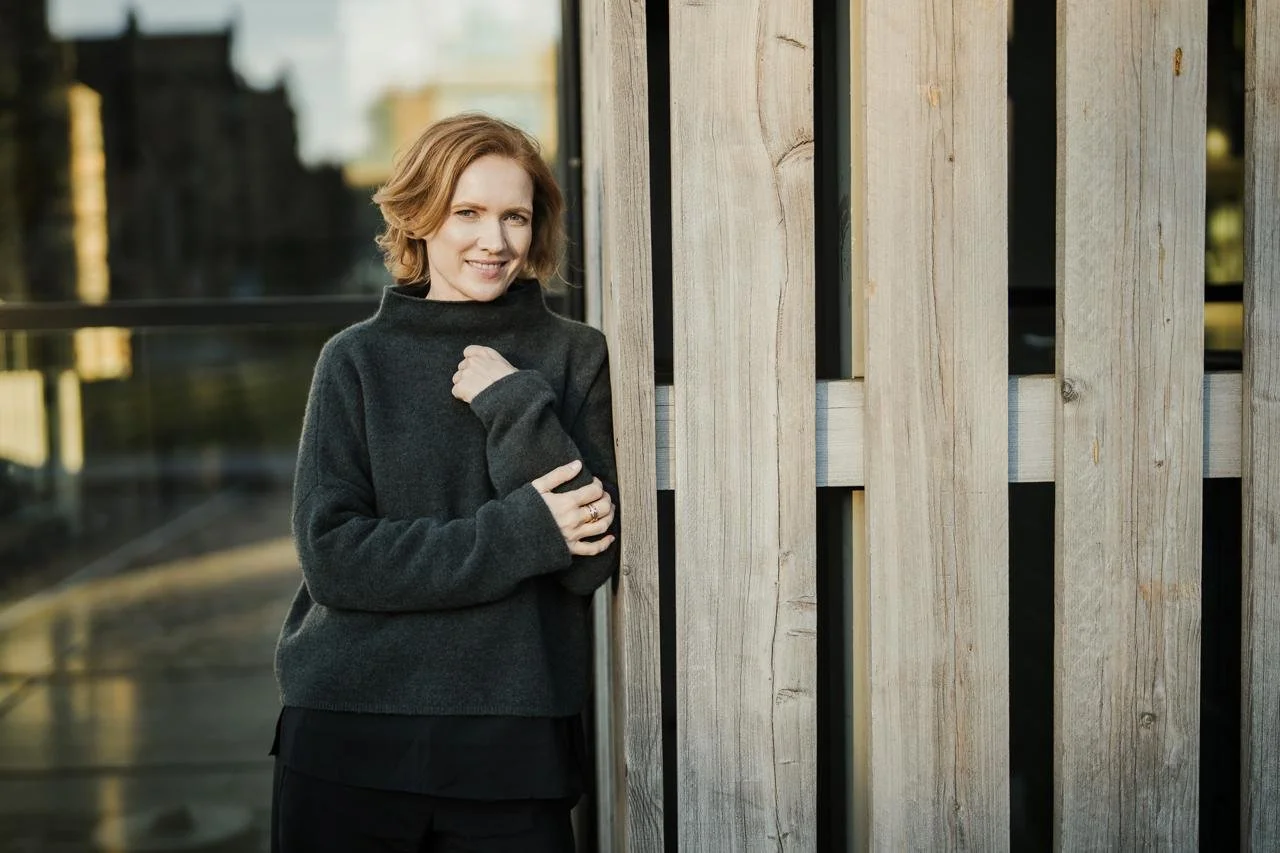
A note from me
I wrote this paper for three reasons and they are hard to separate.
The first is personal. Early in my corporate career, I sat in a leadership training room knowing the content was good — and yet when I returned to my work, I could not use most of it. The trainer had worked hard to put more into me. What I needed was more ability to process it.
The second is what I kept seeing in my coaching work. Leader after leader — capable, experienced, deeply committed — hitting the same invisible wall. Struggling not because they lacked skills or capability or desire, but because they had run out of capacity to hold it all.
The third is a gap I noticed in the field itself. Leadership development has built an entire industry on the assumption that adding more is the answer. The evidence that this isn't working has been accumulating for decades. We have only recently begun to speak about it.
This paper is that attempt. Not to add another framework to the pile, but to reframe the question entirely — from what do leaders need to learn to what do they need to be able to hold.
Sanita Pukite
Sanita Pukite works with senior leaders and leadership teams navigating high-stakes and high pressure environments.
Drawing on psychodynamic and systemic approaches — and twenty years of corporate leadership experience across three continents, her practice focuses on a single question:
What does it actually take to lead well self and others when the pressure is real?
The Capaciousness framework is the foundation of her leadership coaching work, leadership programmes, and forthcoming book on becoming a more Capacious Leader.
If you’re curious about your team’s capacity, reach out to schedule a conversation with me.